Two words come up in almost every conversation about buying property in Dubai: freehold and leasehold. They describe the kind of ownership you hold, and the difference between them affects what you can do with a property and for how long. The basics are simpler than the terminology suggests.
What freehold means
Freehold ownership is the fuller form of ownership. You own the property outright, together with a share of the land or the common parts it sits on, and there is no expiry date on that ownership. You can live in the home, sell it, lease it, or pass it on, subject to the community rules that apply to any building.
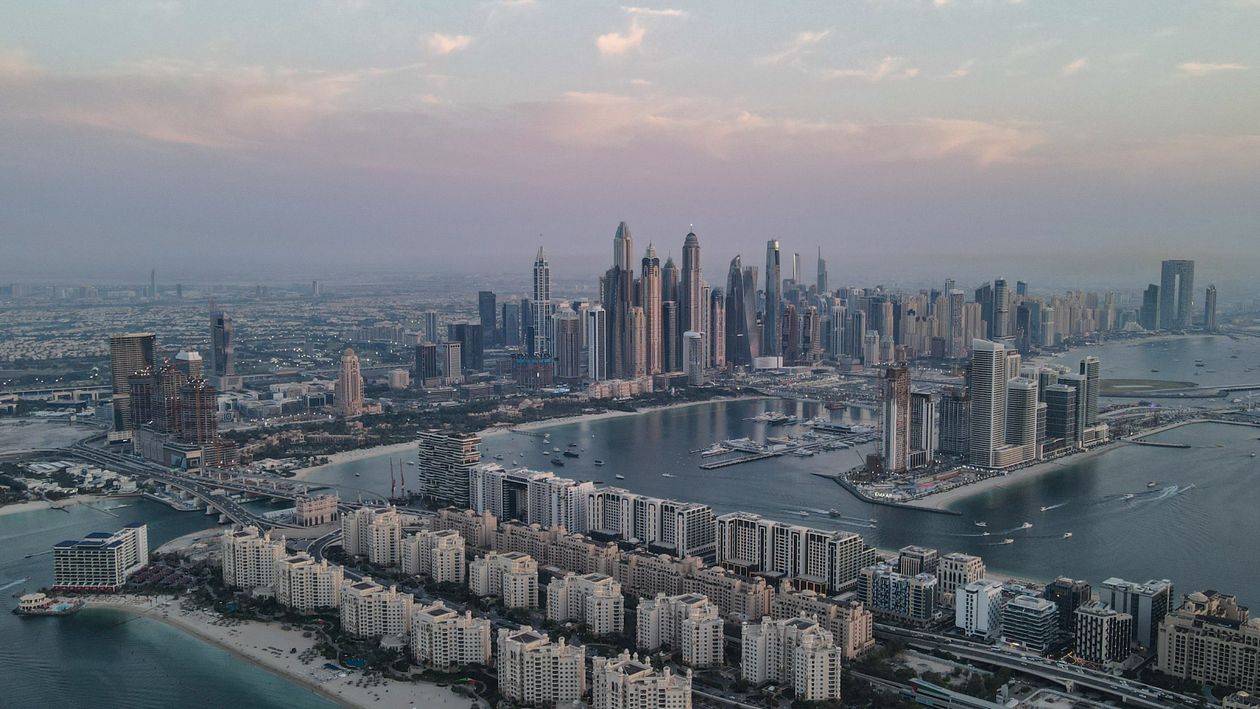
For foreign buyers, the important point is where freehold is available. The UAE permits foreign ownership in areas designated as freehold, and in Dubai those areas cover many of the neighbourhoods international buyers know best, including established marina, downtown and island districts. When you buy in one of these areas, your ownership is recorded and a title deed is issued by the Dubai Land Department, the government body that registers property in the emirate.
What leasehold means
Leasehold is a long-term right to use a property rather than outright ownership of it. In the UAE, leasehold rights can run for up to 99 years. During the lease you can usually live in the home, rent it out, or sell the remaining term of the lease, but the underlying ownership stays with the freeholder, and the property returns to them when the lease ends unless it is renewed.
A long leasehold is still a substantial, tradeable interest, and leasehold homes are often priced to reflect the remaining term. What matters is understanding exactly what you are buying: the length of the lease, what happens as it shortens, and any conditions the freeholder attaches.
How to tell which one you are being offered
Every property should make this clear early. The listing or the developer can tell you whether a home is freehold or leasehold, and the Dubai Land Department’s registration confirms how the title is held. If a property is in a designated freehold area, foreign buyers can generally register ownership in their own name. Outside those areas, the structure is usually leasehold or another form of long-term right.
Which one suits you
For most international buyers looking at Dubai’s main residential districts, the choice is freehold, because that is what the designated areas offer. Leasehold appears more often in specific buildings or older districts, where it can still make sense at the right price and term.
Common questions foreign buyers ask
Three come up repeatedly. First: can a foreigner really own property in Dubai outright? In the designated freehold areas, yes, with a title deed in your own name. Second: does buying property give you residency? Owning property can open a route to certain residence visas, but the property and the visa are separate matters with their own criteria, so treat any residency claim as something to verify against the current official rules, not as part of the purchase. Third: what happens when you sell? A freehold sale transfers the title to the next owner through the Dubai Land Department, much like the purchase that brought it to you.
What we suggest is straightforward: before you compare prices or payment plans, confirm the ownership type of each property on your shortlist, and make sure it matches what you want to do with the home. It is a five-minute check that shapes everything after it. If you would like help confirming how a specific property is registered, that is exactly the kind of question we answer before a viewing.