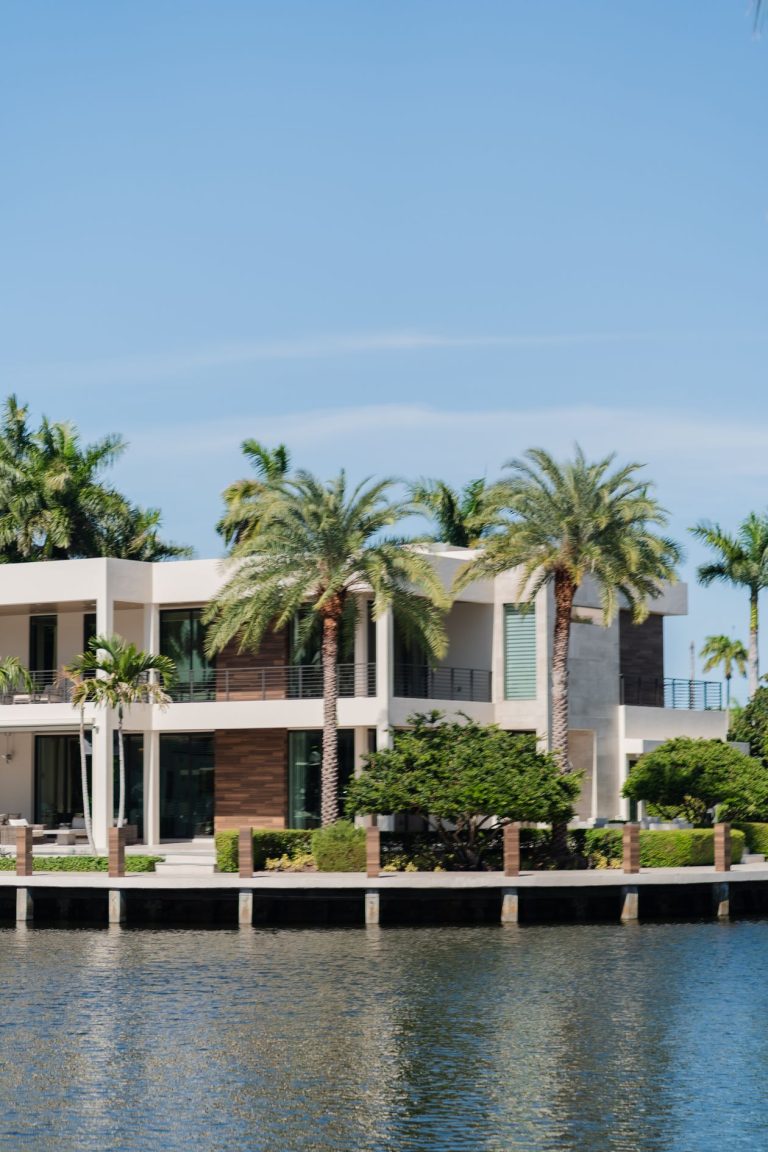
For many owners, a Dubai property is bought to be rented out. The emirate’s leasing market is well established and regulated, and the mechanics are straightforward once you know the moving parts: the tenancy contract, its registration, and the rules that govern the relationship between landlord and tenant.
The tenancy contract
A residential lease in Dubai is documented in a standard tenancy contract that sets out the rent, the term, the deposit and the responsibilities on each side. Most long-term leases run for one year at a time, with rent commonly paid in a small number of post-dated cheques or transfers across the year, though payment patterns vary and can be negotiated.
The contract is where clarity pays. Who handles which maintenance, what the deposit covers, and how renewal works should all be written down rather than assumed.
Registering the lease: Ejari
Dubai requires tenancy contracts to be registered through Ejari, the official registration system for leases. Registration ties the contract into the government’s records, and tenants need it for practical matters such as setting up utilities and certain visa or schooling steps. It is normally arranged at the start of the lease, and it protects both sides by making the agreed terms a matter of record.
Rent reviews and increases
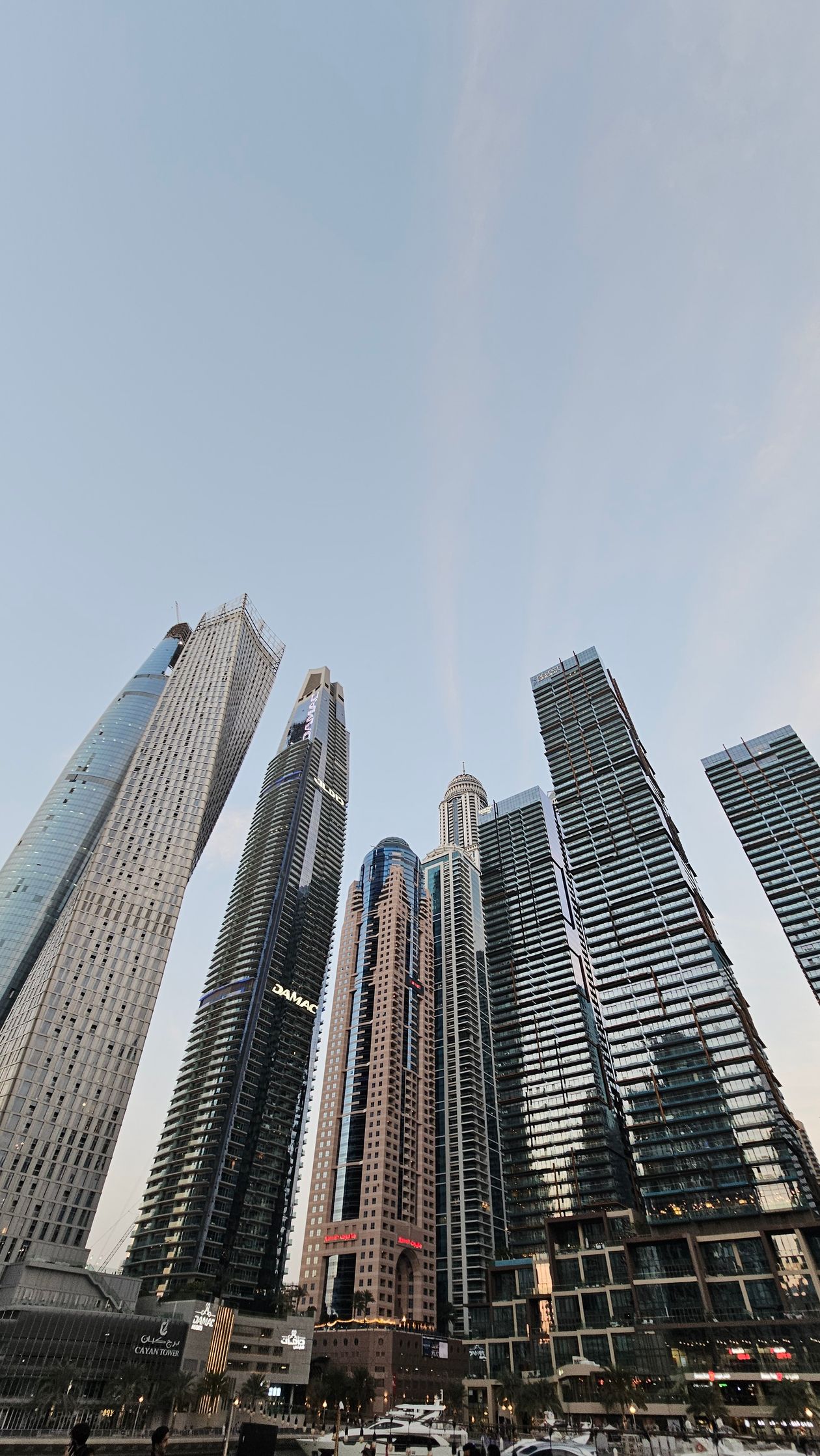
Rent increases at renewal are regulated. Dubai’s real estate regulator publishes a rental index that guides how much a rent can move at renewal, based on how the current rent compares with the typical range for similar homes in the area. An increase outside what the index allows can be challenged. For landlords this means pricing realistically at the outset; for tenants it means there is a reference point beyond the landlord’s say-so.
What the landlord remains responsible for
Owning a rented property comes with continuing obligations. The owner pays the building’s service charges, remains responsible for major maintenance, and must give proper notice where the law requires it, for example before asking a tenant to leave. Good management, whether done yourself or through a manager, is mostly about staying ahead of these duties.
Long-term lets and short-term stays
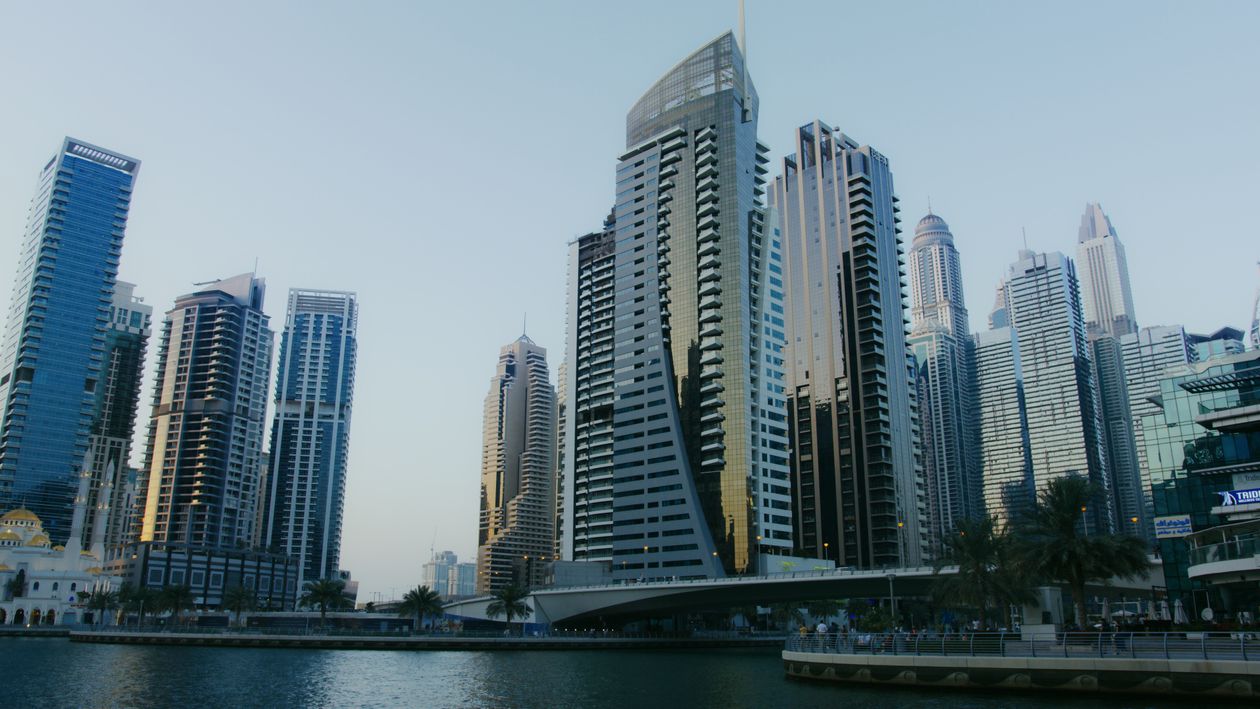
There are two broad ways to let a home. A standard tenancy, usually a year at a time, gives stability and predictable income. Short-term or holiday letting, where guests stay for days or weeks, can earn more in the right building and location, but it operates under its own licensing regime and involves much more active management. Not every building permits it, so the community rules matter before you plan around it.
Getting the foundations right
The owners who find leasing straightforward are the ones who buy with the rental market in mind from the start: a building tenants want, service charges the numbers can absorb, and a clear picture of the rules before the first tenancy begins.
Finding and keeping good tenants
Demand in Dubai’s established districts is deep, but the best outcomes still come from the basics: a home presented well, priced against what similar units are actually achieving, and managed responsively once occupied. A tenant who is looked after tends to stay, and a stayed tenant is worth more than a slightly higher rent with a gap and a re-let in between.
If you own, or are considering, a property in Dubai and want to talk through what renting it out would look like in practice, we are glad to walk through the specifics with you.